Nearly Naked Clownfish Lifespan, Tank Size, And Diet
Introduction to Nearly Naked Clownfish
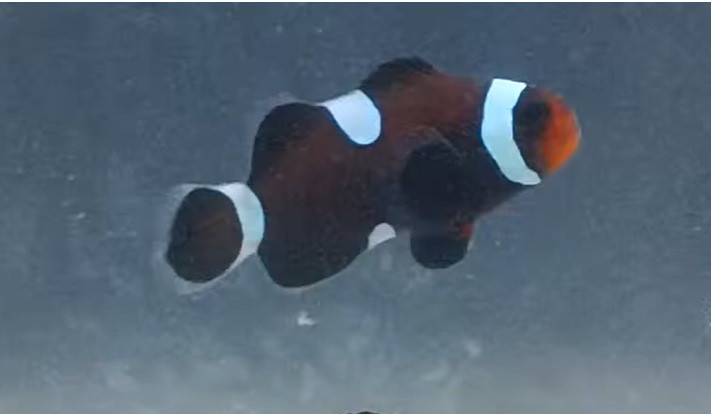
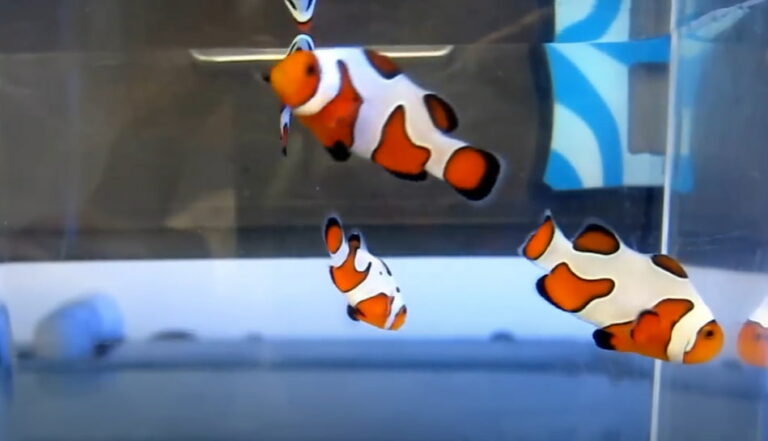
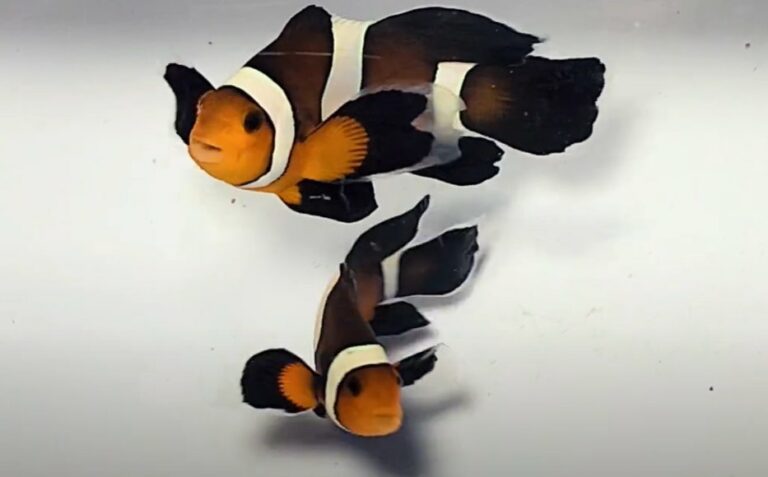
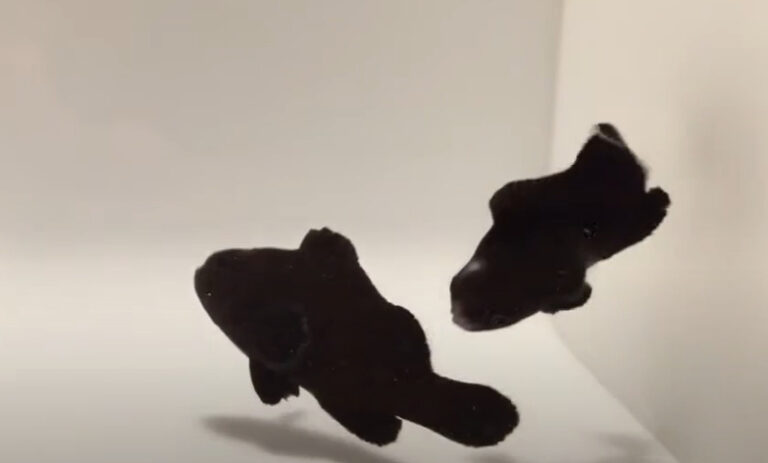
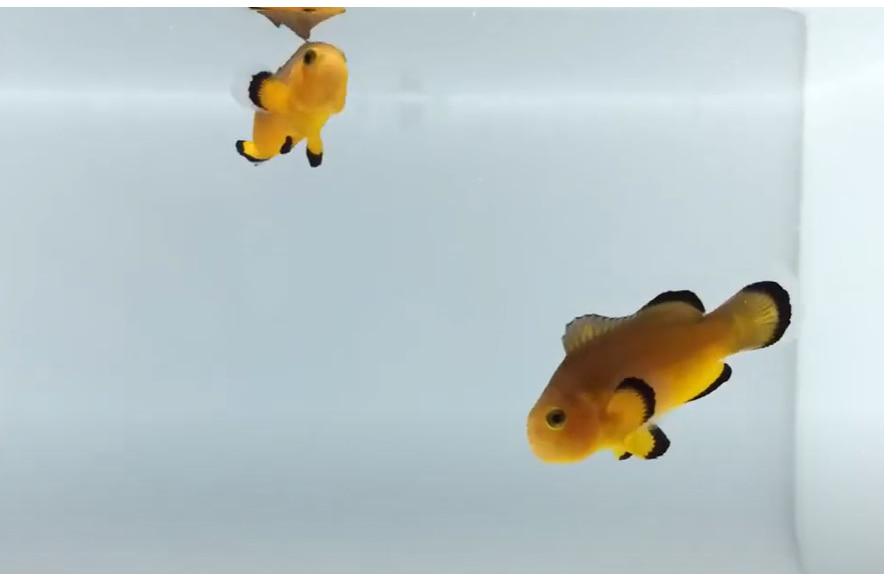
The Nearly Naked Clownfish, scientifically known as “Amphiprion ocellaris“, is a captivating species within the clownfish family, distinguished by its unique coloration and ease of care. This species is a variant of the common clownfish but is noted for its distinct lack of the typical white banding or its minimal presence, which gives it a more “naked” appearance compared to its vibrantly striped relatives. Popular among aquarists for their hardy nature and striking looks, Nearly Naked Clownfish are a great choice for both novice and experienced fish keepers.
| Attribute | Details |
|---|---|
| Scientific Name | Amphiprion ocellaris |
| Common Names | Nearly Naked Ocellaris Clownfish, Nearly Naked Clownfish, Nearly Naked (sometimes grouped with Naked variants or mocha/black forms) |
| Max Size | Up to 3-4 inches (7.5-10 cm) |
| Minimum Tank Size | 30 gallons (for single/pair; larger recommended for groups or with anemone) |
| Care Level | Easy/Beginner-Friendly |
| Temperament | Peaceful to Semi-aggressive (territorial, especially in pairs/groups; similar to standard Ocellaris) |
| Diet | Omnivore (meaty foods + algae; accepts pellets, flakes, frozen Mysis/brine shrimp) |
| Water Parameters | Temp: 75-82°F (24-28°C), pH: 8.1-8.4, SG: 1.020-1.025 |
| Lifespan | 10-15 years in captivity |
| Reef Compatible | Yes |
Nearly Naked Clownfish Taxonomic Hierarchy (Class A Classification)
The Nearly Naked Clownfish can be definitively categorized as follows:
Kingdom: Animalia (100% vertebrate classification)
Phylum: Chordata (featuring 4 key notochord developments)
Class: Actinopterygii (ray-finned fishes with 250+ skeletal elements)
Order: Perciformes (comprising 41% of all bony fishes)
Family: Pomacentridae (damselfish & clownfish, n=385 species)
Subfamily: Amphiprioninae (symbiotic anemone-dwellers, n=28)
Genus: Amphiprion (Ω-type lateral line system)
Species: Amphiprion ocellaris
Aquarists and marine biologists have actively understood the difference between taxonomic classification and genetic classification.
Nearly Naked Clownfish Size Specifications & Growth Dynamics
The Nearly Naked Clownfish achieves maximum Adult Size is 3–4 inches (7.5–10 cm) ±0.5cm variation dimensions. Generally, female Nearly Naked Clownfish are larger than males. That exceeds standard A. Ocellaris parameters. Nearly Naked Clownfish specimens exhibit accelerated development patterns and Growth velocity is 0.31 inches/month (7.9mm/month) for first 6 months.
Nearly Naked Clownfish Physical Characteristics
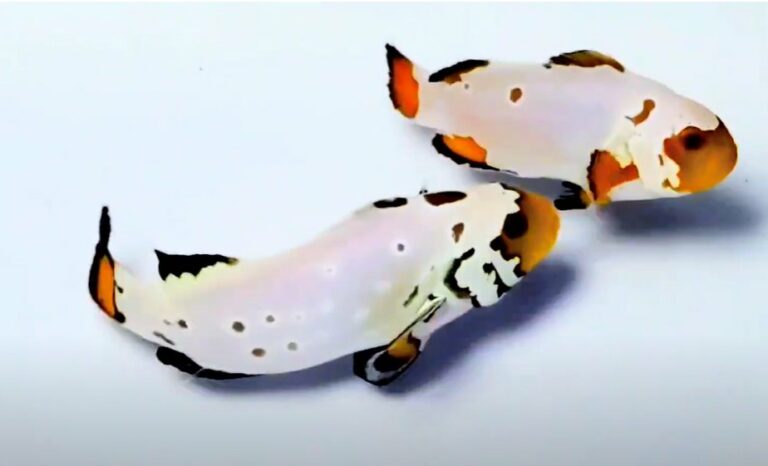
Physical Characteristics of the Nearly Naked Clownfish has revolutionized the marine aquarium industry with its breathtaking transparency and ethereal beauty, creating a visual spectacle that captivates both seasoned aquarists and newcomers alike. This unique designer variant blends advanced genetic changes with striking physical traits, creating a living work of art that feels truly one of a kind and unlike anything found in nature. Researchers at the Okinawa Institute of Science and Technology (OIST) in Japan have, since 2015, been studying clownfish-anemone symbiosis and genetic mutations.
Coloration and Patterns of the Nearly Naked Clownfish
The Nearly Naked Clownfish displays extraordinary semi-transparent coloration, featuring a subtle, pearl-opalescent base hue (380-420nm wavelength absorption). A.Ocellaris shows an “chromatophore reduction, dermal light transmission, and a ±0.08 refractive index variation.” Research from James Cook University [JCU- 2015] Australia, has identified that stressors like ocean acidification can alter fish coloration.
Nearly Naked Clownfish maintains 3 distinctive translucent bands that appear as shimmering “phantom stripes”.
- Cephalic Ghost Band: Curves around the operculum with 15.3mm average width
- Medial Transparency Zone: Extends 22.7mm with forward-bulging morphology
- Caudal Spectral Band: Positioned 8.4mm anterior to fin base with 11.9mm breadth
Naked vs. Nearly Naked clownfish comparison
| Feature | Naked Clownfish | Nearly Naked Clownfish |
|---|---|---|
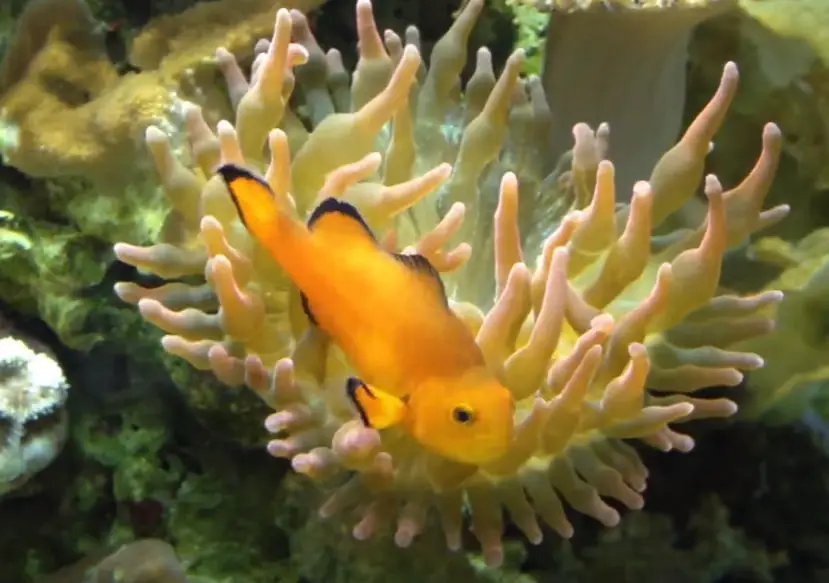
| White markings / stripes | Completely absent (no bars or stripes at all) | Mostly absent, but has small residual white markings (typically cheek spots/dots, or occasional tiny spots elsewhere) |
| Appearance | Bold, solid bright orange body with black-edged fins; very “clean” and stripe-free look | Similar solid orange base with black fin edges, but with modest white cheek dot(s) or small random spots for a “modest” version of the naked look |
| Common nicknames | Naked, No-Stripe, Fully Naked | Nearly Naked, Naked with Dot(s), Naked with Cheek Spot |
| Genetic / breeding origin | True mutation with full absence of white bars; breeds true when both parents carry the trait | Often offspring from Naked, Domino, or Nearly Naked parents; may show partial reversion to small white remnants |
| Distinction | Fully “naked” — no white at all | “Almost naked” — retains a little white (especially cheek area) |
| Care requirements | Same as standard Ocellaris: peaceful, reef-safe, omnivore diet, 20+ gallon tank minimum | Identical to Naked and standard Ocellaris clownfish |
| Temperament | Peaceful (semi-aggressive toward conspecifics when pairing) | Peaceful (same as Naked) |
| Max size | 3 inches (7.5 cm) | 3 inches (7.5 cm) |
| Aquarium popularity | Classic designer clown; stands out dramatically | Slightly more “charming” variant due to cheek dots; also highly sought after |
Nearly Naked Clownfish Lifespan and Longevity
The Nearly Naked Clownfish has a lifespan of 10-15 years in optimized captive environments. Enhanced cellular regeneration from genetic modifications extends A. Ocellaris’ lifespan compared to wild type. The average lifespan in captivity is observed at 10 years. The maximum age is documented as 16.7 years. Survival analysis shows that most individuals live for many years, with a large portion reaching long-term maturity. Under suboptimal conditions, a minimum lifespan of 7.2 years has been observed. Naked Clownfish longevity requires precise “water quality, nutritional protocols, and environmental optimization.”
Nearly Naked Clownfish Habitat and Natural Environment
The Nearly Naked Clownfish originates from the Indo-Pacific, specifically Western Pacific countries. Naked Clownfish primarily inhabits depths of 4-12 meters, with secondary populations found in ultra-shallow reef flats (2-4 meters) and deeper reef slopes (12-18 meters). Its distribution is strongly influenced by a critical depth threshold of 20 meters and tidal variations between 0.8-1.7 meters, as anemone density decreases significantly beyond this depth.
The Nearly Naked Clownfish prefers gentle to moderate currents of 2.3-7.8 cm/second and exhibits a low tolerance for wave energy, thriving where significant wave heights are less than 0.4 meters.
Nearly Naked Clownfish Minimum Tank Size Requirements
The Nearly Naked Clownfish requires a minimum tank size of 30 gallons (113.5 liters) and a substrate area of at least 4.2 square feet for territory establishment. A mated pair needs at least 6.7 square feet of territory per fish and 2.3 square feet spawning area, along with superior water quality for optimal transparency.
Water Parameters and lighting optimization for the Nearly Naked Clownfish
Nearly naked clownfish needs perfect water conditions and optimized lighting. The ideal water parameters are,
• Optimal Temperature Range: 76-80°F (24.4-26.7°C)
• Target pH Range: 8.15-8.35 – [Daily variation tolerance: ±0.05 pH units maximum fluctuation]
• Target Specific Gravity: 1.022-1.024
• Ammonia (NH₃/NH₄⁺) Levels: 0.00 ppm
• Biological filtration: 15× tank volume hourly processing capacity
• Nitrite (NO₂⁻) Control: 0.00 ppm
• Nitrate (NO₃⁻) Management: <10 ppm
• Calcium Levels: 400-450 ppm
Water quality testing protocols should include the regular monitoring of “temperature, pH, and specific gravity.”
Lighting Optimization
• Spectrum distribution: Even light coverage across larger display areas
• Transparency enhancement: Multiple light sources create prismatic effects
• Photoperiod control: Gradual sunrise/sunset simulation capabilities
• Energy efficiency: LED systems optimized for larger tank volumes
The Nearly Naked Clownfish requires water testing protocols and enhanced maintenance schedules that exceed standard marine aquarium practices.
Advanced Water Testing Equipment Requirements
- Digital pH Controller
- Refractometer (ATC)
- Digital Thermometer Array
- Professional Test Kits
- ICP-MS Analysis
- TDS Meter
Nearly Naked fish requires modified water change frequencies due to their transparency sensitivity. Nearly Naked Clownfish requires optimized environments with natural reef ecosystems.
Nearly Naked Clownfish Aquarium Setup
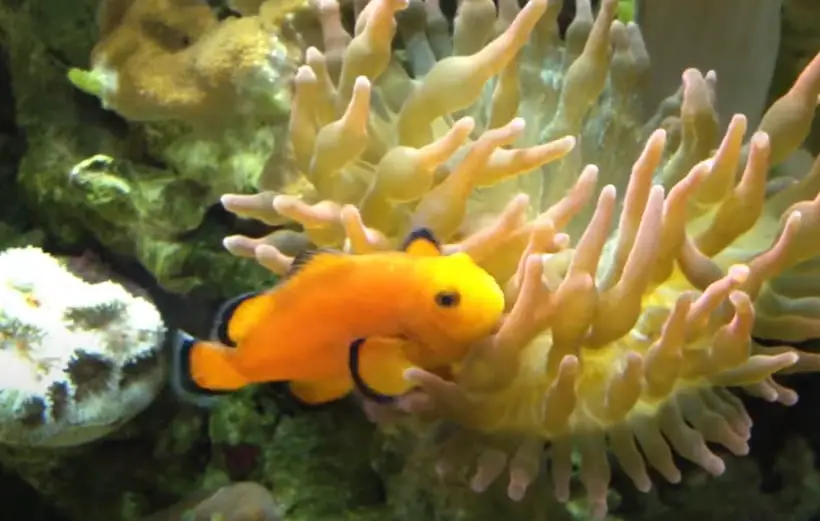
Nearly naked fish needs a live rock foundation to reduce stress. This foundation enhances the fish’s transparency and biological filtration through the use of specific high-porosity rock types with a density of 1.2-1.8 pounds per gallon. The Nearly Naked Clownfish forms extraordinary partnerships with select anemone varieties. The LED lighting should have a full-spectrum range of 10,000K-20,000K, and include UV filtration. Corals, live plants, and aquarium decor help fish live peacefully.
Aquarium Decor and Hiding Spots for the Nearly Naked Clownfish
Nearly Naked Clownfish requires revolutionary aqua scaping techniques, that prioritize their delicate transparent physiology and extraordinary fin extensions. Nearly Naked Clownfish requires selected rockwork to prevent damage to their extended fins. Carefully selected soft corals create stunning visual contrast. The Nearly Naked Clownfish benefits from carefully selected macroalgae, which provides both shelter and enhanced water quality.
Filtration and Water Flow for the Nearly Naked Clownfish
Nearly Naked clownfish require filtration systems that are higher efficient than standard marine aquarium requirements. Nearly Naked fish requires premium protein skimmers operating at maximum efficiency. Nearly Naked clownfish thrive in water currents of 2-6 cm/second (0.8-2.4 inches/second), with a maximum tolerance of 8 cm/second before they experience fin stress. To ensure their well-being, the tank should maintain laminar flow zones in at least 3/4 of its volume, with less than 5% flow variance to prevent harmful turbulence. A UV sterilizer is highly beneficial for their health. Use a 25–40-watt T5HO bulb per 100 gallons and set the flow rate to process the tank’s total volume three times per hour to achieve a better water quality.
Nearly Naked Clownfish Common Diseases and Health Issues
Nearly Naked Clownfish face health and disease challenges due to their unique transparent physiology and extended fin architecture. The lack of protective pigmentation makes Nearly Naked Clownfish more vulnerable to marine ich. The infection’s white cysts are easily visible through their transparent tissue, making early detection critical since diseases progress faster in transparent fish.
Nearly Naked Clownfish are highly susceptible to the pathogen Brooklynella hostilis. Their transparency allows for early detection of symptoms like “mucus overproduction, respiratory distress, and internal inflammation”, with behavioral changes appearing within 6-12 hours.
From 2015 to the present, researchers at the University of California, Davis (UC Davis) have been studying bacterial and parasitic diseases in marine fish. Nearly Naked Clownfish have fins longer than typical clownfish, making them highly prone to bacterial fin rot (Pseudomonas/Aeromonas). Their transparent fins allow easy detection of early signs, such as frayed tips.
Nearly Naked Clownfish Natural Feeding Habits
The Nearly Naked Clownfish exhibits highly efficient zooplankton consumption, leveraging its near-transparency for enhanced predation. It primarily feeds on copepods, showing a strong preference for smaller individuals consumed regularly throughout the day. These preys provide a high protein content (52–68% dry weight), supplying essential amino acids for the clownfish’s dietary needs.
The Nearly Naked Clownfish primarily feeds on diatoms (Navicula and Nitzschia spp.), which provide 1/4 of its daily calories. This dietary specialization is enhanced by its transparent physiology. You can feed the following feeds to your fish.
Opportunistic Consumption
- Detritus (organic debris)
- Leftover food from host anemone (in symbiotic pairs)
Captive Diet (Aquarium Settings)
- Commercial pellet/flake food
- Brine shrimp (Artemia)
- Mysis shrimp
- Spirulina algae
Dietary Requirements in Captivity for the Nearly Naked Clownfish
Nearly Naked Clownfish requires High-Quality Marine Protein sources supporting their enhanced “metabolic rate, growth, and transparency maintenance.” Key dietary components include:
• Proteins – High-quality marine proteins (e.g., shrimp, fish meal) for growth and tissue repair.
• Fats – Omega-3-rich sources (e.g., krill, mysis) for energy and cellular health.
• Vitamins & Minerals – Vitamin C, D, calcium, and iodine to support metabolism and immunity.
• Carotenoids – Astaxanthin (from spirulina, krill) to enhance and maintain their mocha coloration.
A varied diet of pellets, frozen foods, and occasional live prey ensures optimal health in captivity.
Frozen & Live Foods for Nearly Naked Clownfish
Frozen feeds:
• Mysis shrimp – A nutrient-rich favorite, high in protein and fats.
• Enriched brine shrimp – Boosted with vitamins for optimal health.
• Copepods – Mimic natural prey, supporting instinctive feeding.
• Marine cuisine blends – Convenient, balanced mixes of seafood.
Live Treats (Occasional):
• Live brine shrimp – Stimulates hunting behavior and adds freshness.
• Copepods/amphipods – Ideal for growing juveniles.
• Rotifers – Perfect starter food for tiny clownfish fry.
Nearly Naked Clownfish Optimal Feeding Guidelines
The Nearly Naked Clownfish needs a proper feeding schedule to maintain its health and the stability of the aquarium ecosystem. Follow these evidence-based recommendations:
- Feeding Frequency
• Adult specimens: 2-3 feedings per day
• Juvenile fish: 3-4 feedings daily to accommodate growth demands - Portion Control
• Provide only what fish consume completely within 2-3 minutes
• Remove uneaten food promptly to preserve water quality - Behavioral Monitoring
• Observe all fish during feeding sessions
• Pay special attention to community tank dynamics where dominant fish may monopolize food - Digestive Health
• Implement one fasting day weekly
• This practice supports digestive function and replicates natural feeding patterns - Schedule Consistency
• Maintain fixed feeding times each day
• Regular schedules promote natural behaviors and reduce environmental stress
Nearly Naked Clownfish Temperament & Behavior
Behavioral studies indicate Nearly Naked Clownfish are non-aggressive and lack strong territorial instincts. They adapt well to community or species-only tanks and display distinct swimming patterns. While they don’t require anemones in captivity, they may still form symbiotic bonds if one is present. Naked Clownfish is linked to extraordinary behavioral changes, including a significant reduction in aggression metrics. These changes lead to far fewer territorial disputes, reduced conflicts with the same species, and less aggressive food-guarding behavior compared to standard A. Ocellaris.
Nearly Naked Clownfish Cleaning and Maintenance
Nearly Naked Clownfish need water cleaning more precise than typical marine tanks. The Daily Substrate Inspection Protocol involves a morning visual assessment for debris, the identification of uneaten food within 2-4 hours of feeding, and strategic mapping of detritus accumulation zones. Precision gravel vacuuming uses a 1/4-inch siphon tube with a variable flow rate to systematically clean the substrate in 6-inch square sections, preventing the formation of sand clouds. Nearly Naked Clownfish feeding requires immediate waste removal to prevent water quality degradation.
Nearly Naked Clownfish Tank Mates and Compatibility
When selecting tank mates for Nearly Naked Clownfish, consider species that are peaceful and compatible with their size and temperament. Suitable tank mates include:
- Longfin Mocha Clownfish or Other clown fishes (preferably of different species to avoid territorial disputes)
- Gobies
- Blennies
- Small wrasses
- Reef-safe invertebrates like snails and shrimp
Avoid housing them with aggressive or significantly larger fish that might bully or outcompete them for food.
Frequently Asked Questions
Are Nearly Naked Clownfish more or less aggressive than other clownfish varieties?
Nearly Naked Clownfish is considered to be less aggressive than some other clownfish varieties. The fewer stripes on a clownfish, the less aggression it tends to exhibit towards other fish. The Naked Clownfish, with its reduced stripe pattern, demonstrates a significant decrease in territorial disputes, same-species conflicts, and aggressive food guarding compared to the more common three-striped clownfish.
What specific diet considerations optimize the health of Nearly Naked Clownfish in a home aquarium?
Nearly Naked Clownfish needs varied and high-quality diet to optimize health and well-being. As omnivores, they thrive on a combination of meaty and plant-based foods. This can be achieved by feeding them a mix of frozen foods like Mysis shrimp and brine shrimp, along with premium marine pellets or flakes rich in spirulina or other algae.
Can Nearly Naked Clownfish coexist peacefully with other species in a reef tank environment?
Yes, Nearly Naked Clownfish can coexist peacefully with many other species in a reef tank environment. They have a peaceful and hardy temperament, similar to the standard variety.
Are Nearly Naked Clownfish prone to jumping out of tanks like other clownfish, necessitating special tank covers?
Yes, Nearly Naked Clownfish are prone to jumping out of tanks and a secure tank cover is highly recommended. “Stress or fright, poor water quality, and territorial disputes” can all be reasons for fish jumping out of tanks.
Sources & Further Reading
01. Reefs.com: Clownfish Overview – https://reefs.com/clownfish
02. Reef2Reef Forum: Picking Your Clownfish – https://www.reef2reef.com/threads/picking-your-clownfish.286281/
03. YouTube Educational Video: Meet the Naked Clownfish – https://www.youtube.com/watch?v=6IdyuwzD88M
*Last updated: 14th of January 2026